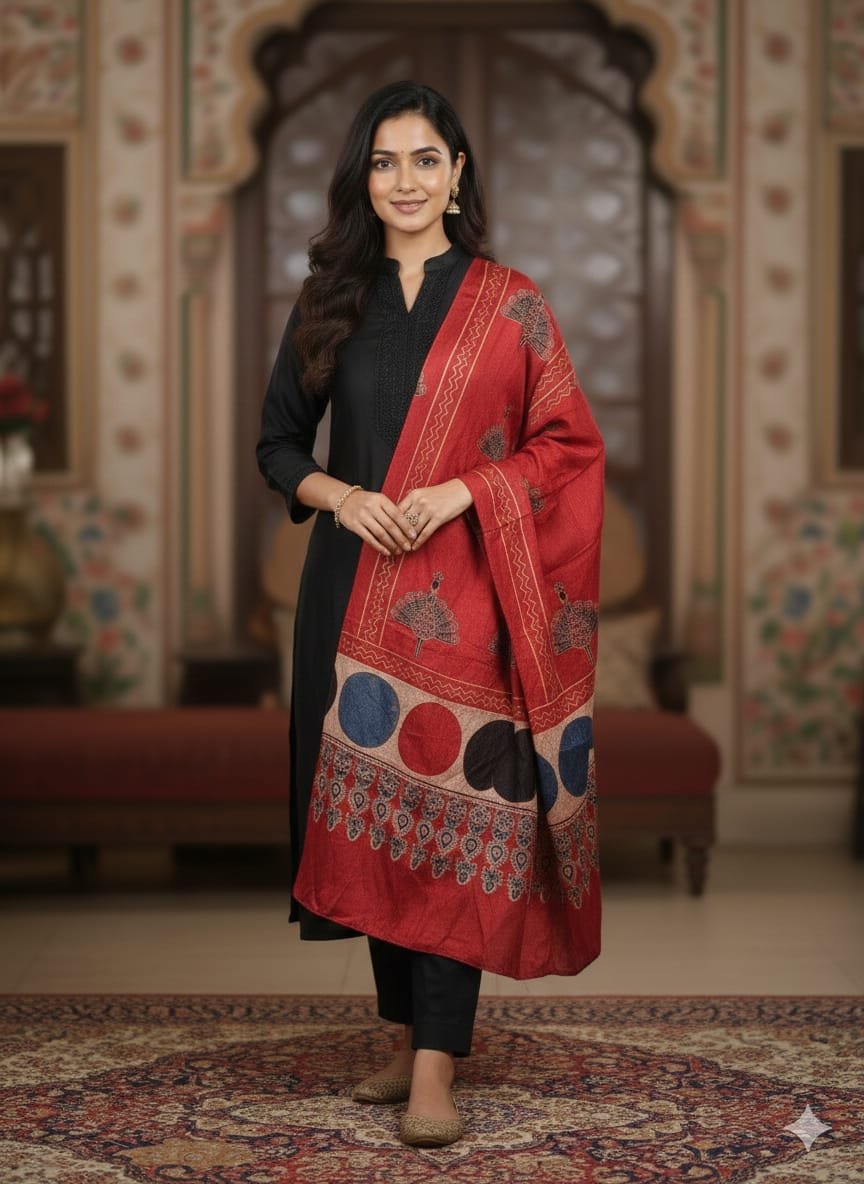
AED 50.00
Maroon



Shop elegant dupattas for women in UAE and complete your outfit effortlessly. From lightweight everyday styles to statement festive pieces, explore versatile designs that elevate your look instantly.
AED 50.00
Maroon
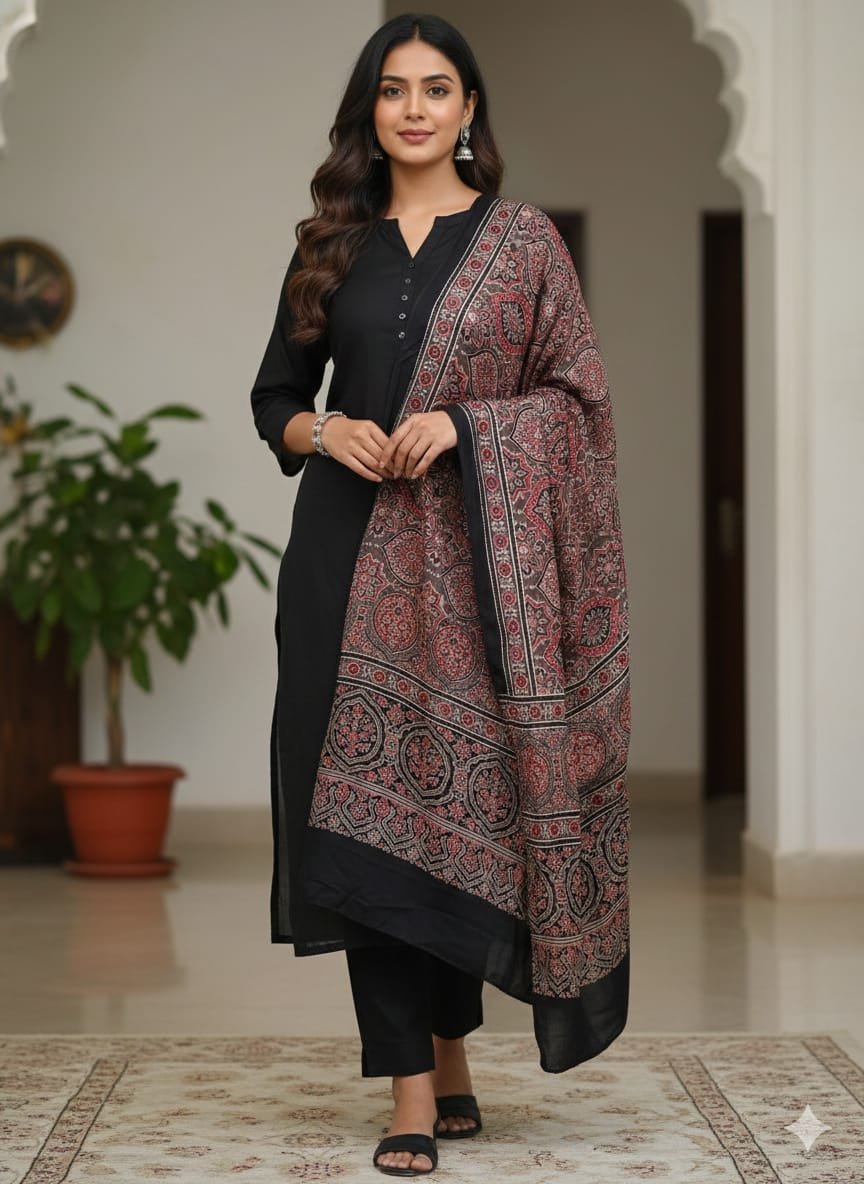
AED 50.00
Brown
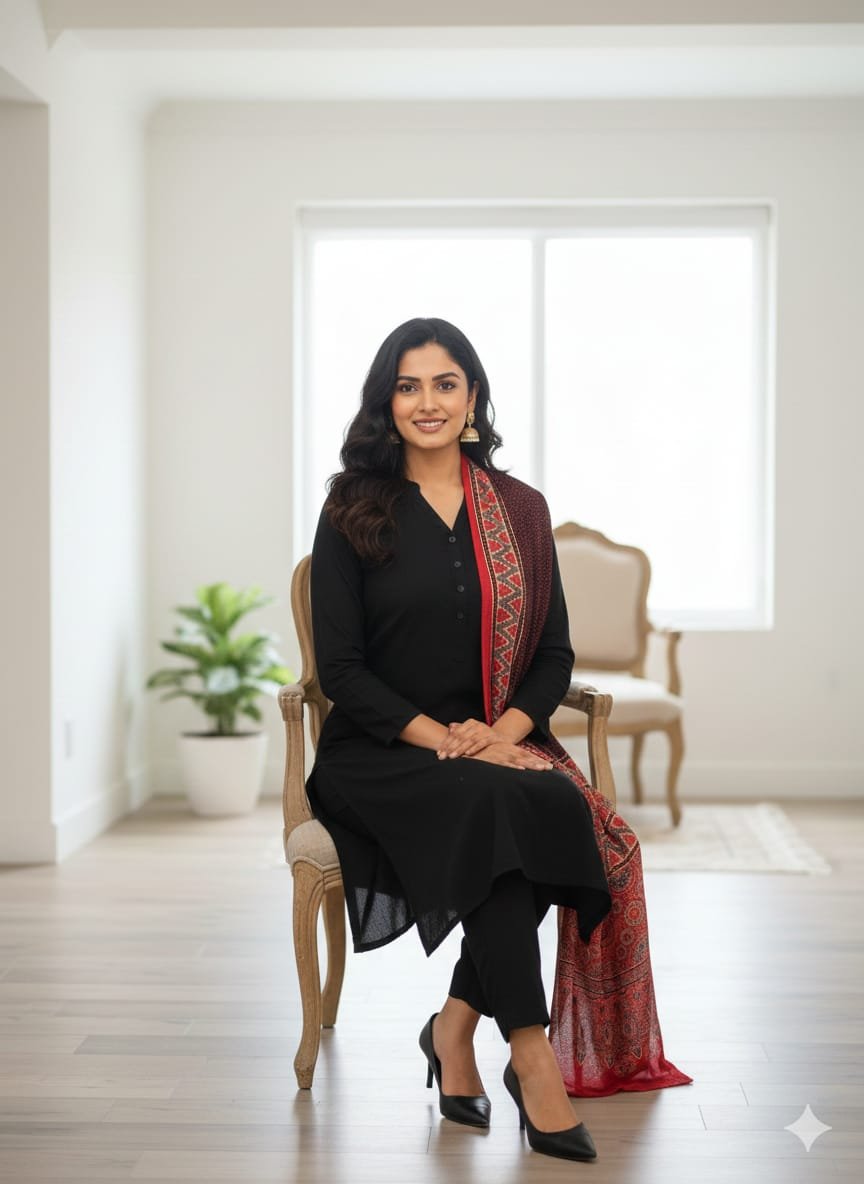
AED 50.00
Black
.jpeg)
AED 50.00
Indigo
.jpeg)
AED 145.00
Lime Green
.jpeg)
AED 135.00
Green
.jpeg)
AED 135.00
Maroon
.jpeg)
AED 135.00
Green
.jpeg)
AED 135.00
Peach Pink
.jpeg)
AED 135.00
Blue
.jpeg)
AED 135.00
Black
.jpeg)
AED 135.00
Indigo
.jpeg)
AED 135.00
Bronze gold
.jpeg)
AED 115.00
Purple
.jpeg)
AED 50.00
White
.jpeg)
AED 40.00
Red
.jpeg)
AED 40.00
Green
.jpeg)
AED 65.00
Yellow
.jpeg)
AED 65.00
Green
.jpeg)
AED 65.00
Blue
Looking for the perfect dupattas in UAE to enhance your outfits? At Desi Chic, explore a curated collection of dupattas for women designed to add elegance, texture, and personality to your look.
Whether paired with kurtis, salwar suits, or Indo-Western outfits, our dupattas are crafted to blend seamlessly with your wardrobe, making everyday and festive styling effortless.
A dupatta is more than just an accessory, it’s a key element that completes your entire outfit. The right dupatta can instantly transform a simple look into something elegant and refined.
Our collection includes:
Lightweight dupattas for everyday wear
Festive dupattas for special occasions
Minimal dupattas for modern styling
Statement dupattas for standout looks
Each piece is designed to be versatile, allowing you to mix and match with multiple outfits.
Designed for all-day comfort, our dupattas are crafted from breathable, lightweight fabrics that suit UAE weather perfectly. Easy to wear and style, they keep you feeling comfortable even during long hours.
Whether you're heading to work or attending an event, these versatile designs ensure you stay effortlessly stylish without feeling heavy or restricted.
Lightweight and breathable fabrics
Versatile designs for multiple outfits
Suitable for everyday and festive wear
Easy to style and mix with existing wardrobe
Elegant designs inspired by Indian heritage
Our goal is to offer dupattas that not only enhance your outfit but also provide comfort and ease throughout the day.
One of the biggest advantages of dupattas is their versatility. You can style them in multiple ways to create different looks:
Pair with kurtis for everyday elegance
Style with salwar suits for a complete traditional look
Add to Indo-Western outfits for a modern touch
Use as a statement layer for festive occasions
This makes dupattas a practical and stylish addition to your wardrobe.
Kurtis Collection
Salwar Suits
Lehenga Sets
Indo-Western Styles
Bottom Wear
Plus Size Collection
Festive Wear Collection
Choosing the right dupatta depends on the occasion, outfit style, fabric, and color coordination.
For everyday wear: Go for lightweight and breathable fabrics like cotton, chiffon, or georgette. These are easy to carry and comfortable for long hours.
For festive or special occasions: Opt for statement dupattas with embroidery, zari work, sequins, or rich fabrics like silk, organza, or velvet to elevate your look.
Match or contrast wisely: You can either match your dupatta with your outfit for a coordinated look or choose a contrasting color to make your outfit stand out. For example, a neutral kurta pairs well with a vibrant dupatta.
Consider the outfit’s detailing: If your outfit is heavily embellished, choose a simpler dupatta to avoid an overwhelming look. If your outfit is plain, a heavily designed dupatta can add interest.
Focus on fabric pairing: Try to keep fabrics balanced—flowy outfits pair well with soft dupattas, while structured outfits can handle slightly heavier fabrics.
Think about draping style: If you like experimenting with drapes, choose softer fabrics. For structured drapes, slightly stiffer fabrics like organza work better.
By keeping these factors in mind, you can choose a dupatta that not only complements your outfit but also enhances your overall style.
Choosing the right dupatta fabric depends on both the weather and the occasion:
Summer (Hot & Humid Weather): Go for lightweight, breathable fabrics like cotton, chiffon, georgette, or linen. These materials allow airflow, absorb sweat, and feel comfortable for daily wear or long hours outdoors.
Monsoon (Humid & Rainy Season): Opt for chiffon, georgette, or synthetic blends. These fabrics dry quickly, don’t cling too much, and are easier to manage in humidity compared to heavier materials.
Winter (Cool Weather): Choose warmer and richer fabrics like silk, velvet, pashmina, or wool blends. These not only provide insulation but also add a more elegant and festive look.
Festive & Evening Wear (All Seasons): For weddings or special occasions, go for silk, organza, net, or embellished fabrics. These may not always be weather-specific but enhance your overall outfit with a luxurious finish.
If comfort is your priority, lean towards lighter fabrics. If style and occasion matter more, richer fabrics like silk or velvet are a better choice.
Choosing the right dupatta color depends on your outfit, occasion, and the look you want to create:
For a coordinated look: Pick a dupatta in the same color family or a slightly different shade of your outfit. This creates a clean, elegant appearance—perfect for formal or minimal styles.
For a bold, standout look: Go for contrasting colors (for example, pairing a blue outfit with a mustard or pink dupatta). This adds visual interest and makes your outfit more eye-catching.
If your outfit is neutral (white, beige, black, grey): Choose a bright or vibrant dupatta to add color and personality.
If your outfit is heavily printed or embroidered: Opt for a solid or lightly detailed dupatta to balance the look and avoid it feeling too busy.
If your outfit is simple or plain: You can experiment with printed, embellished, or textured dupattas to elevate the overall outfit.
For festive or wedding occasions: Rich tones like deep red, emerald, gold, or royal blue add a more traditional and luxurious feel.
If you're unsure, choose a dupatta that picks up one subtle color already present in your outfit—this always creates a well-balanced look.
The ideal dupatta length depends on how you plan to style it and the level of coverage you prefer:
Standard length (2.25 – 2.5 meters): This is the most versatile option and works well for everyday wear and common draping styles like one-side drape, front flow, or around-the-neck styling. If you’re unsure, this is the safest choice.
Shorter dupattas (below 2.2 meters): Best for minimal or modern styling, such as pairing with kurtas or fusion outfits. They’re lighter, easier to manage, and ideal if you don’t want too much fabric.
Longer dupattas (2.6 meters and above): Perfect for festive wear, weddings, or elaborate draping styles like pleating, layering, or covering both shoulders. They give a more graceful, dramatic look and offer extra coverage.
For lehengas or bridal outfits: Longer dupattas are usually preferred for full drapes, head coverage, or dupatta layering, adding a more traditional and elegant feel.
If comfort and ease matter most, go for standard length. If your focus is styling impact or occasion wear, choose a longer dupatta.
Dupattas can be styled in many ways depending on your outfit, occasion, and comfort:
Classic drape (both shoulders): A timeless style that works well for traditional outfits and formal occasions. It gives full coverage and a graceful, balanced look.
One-side drape: Draped over one shoulder, this is perfect for everyday wear or semi-formal outfits. It’s easy to carry and keeps the look effortless.
Around the neck (scarf style): Ideal for casual or fusion looks with kurtas or Indo-western outfits. It’s comfortable and keeps the dupatta secure.
Belted dupatta: Secure your dupatta at the waist with a belt for a modern, structured look—great for weddings or festive events where you want a styled, put-together appearance.
Over the head (traditional drape): Common for weddings, religious functions, or cultural occasions, adding a more traditional and elegant touch.
Cape style (free-flowing): Let the dupatta fall freely from the shoulders like a cape for a contemporary, fashion-forward look, especially with lehengas or gowns.
If you want comfort and ease, go for simpler drapes like one-side or scarf style. For special occasions, choose more structured or layered styles like belted or full drapes.
Yes, a dupatta can be styled with western or Indo-western outfits to create a unique fusion look—it’s all about how you pair and drape it:
With dresses: Drape a lightweight dupatta (like chiffon or organza) loosely around the shoulders or like a scarf to add elegance without overpowering the outfit.
With jumpsuits or co-ord sets: Go for a one-side drape or belted style to create a structured, modern silhouette.
With jeans and tops or kurtas: Style the dupatta like a scarf or stole for a casual, effortless look.
For evening or party wear: Choose embellished or statement dupattas and drape them like a cape or over one shoulder for a bold, fashion-forward vibe.
Keep the balance right: If your outfit is western and minimal, you can experiment with printed or detailed dupattas. If your outfit is already bold, stick to subtle, solid dupattas.
For fusion styling, lighter fabrics and simpler drapes work best—they keep the look modern rather than overly traditional.
Proper care helps your dupatta retain its color, fabric quality, and overall look for longer:
For delicate or embellished dupattas: Fabrics with embroidery, sequins, or heavy work are best dry cleaned to avoid damage.
For everyday fabrics (cotton, chiffon, georgette): Use gentle hand washing in cold water with mild detergent. Avoid harsh scrubbing to maintain the fabric’s texture.
Drying tips: Always air dry in shade. Direct sunlight can fade colors, especially in bright or dark dupattas.
Ironing: Use low to medium heat, depending on the fabric. For delicate materials, place a cloth over the dupatta while ironing to prevent damage.
Storage: Fold neatly and store in a cool, dry place. For heavy or embellished dupattas, consider wrapping them in a soft cloth to protect the work.
Avoid: Bleach, strong detergents, and machine washing for delicate fabrics, as they can weaken fibers and ruin detailing.
If you’re unsure about the fabric, it’s always safer to go with gentle hand wash or dry cleaning to prevent damage.